
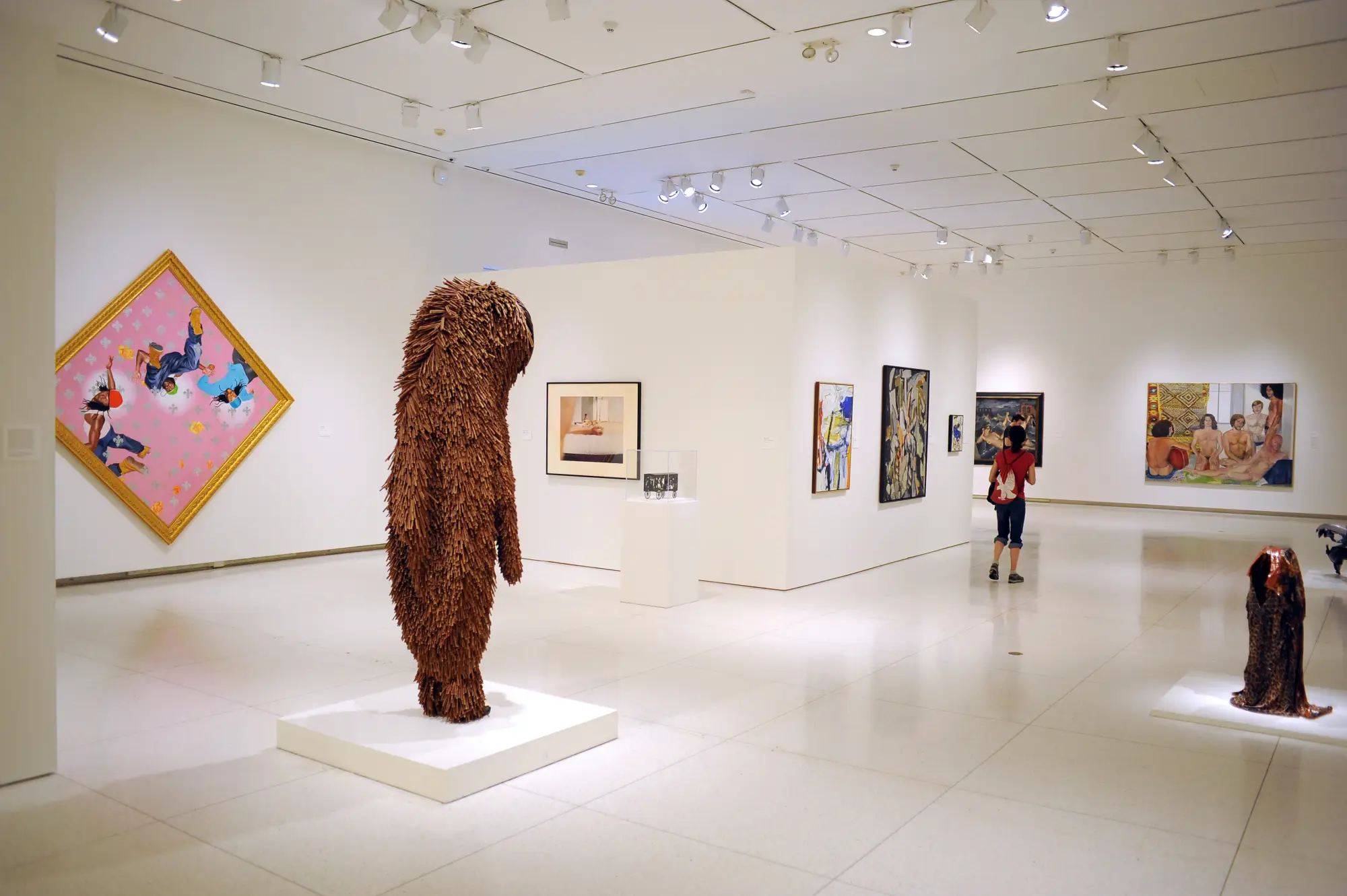
The Smart Museum of Art, on the campus of the University of Chicago, is just one of many smaller museums worth exploring in Chicago.
- Arts & Culture
How to Become an Art Person
You don’t need to spend a lot of money to get more art into your life. Start with these Chicago galleries, events and museums.
Perhaps you’ve been craving more of a connection to Chicago’s art scene than the obligatory half-day at the Art Institute when relatives are in town. Here’s the good news: You don’t have to know anything to get started. You just need to get out there.
Check out locally curated art events calendars.
One of the great pleasures of becoming an art person is seeing things in person instead of squinting at a tiny screen. Still, you’re going to need a roadmap to get started, and most of them are digital. The Visualist is a curated roundup of what’s happening around town this week in the local indie art world. Painting a broader brush is Chicago Gallery News, a go-to resource for more than 25 years, which maintains a calendar of arts happenings organized by neighborhood, as well as Chicago’s local auction houses.
Start popping into art spaces.
Next time you’re on the Northwestern medical campus for your annual physical, walk a few blocks south and stop into the Arts Club of Chicago (201 E. Ontario St.), the deceptively spacious public gallery (and private club) in Streeterville. Free and open to the public Tuesday through Saturday, the century-old club has shown mind-blowing work from Maya Lin to Matisse and Miró.
The Arts Club is just one of dozens and dozens of public galleries, clubs, libraries, and exhibition spaces tucked into our grid that showcase artists. Other favorites include the Hyde Park Art Center (5020 S. Cornell Ave.) and the Renaissance Society (5811 S. Ellis Ave.) in Hyde Park, Comfort Station smack in the middle of Logan Square, and a slew of heavy hitters — Corbett vs. Dempsey (2156 W. Fulton St.), Gray Gallery (2044 W. Carroll Ave.), Secrist | Beach(1801 W. Hubbard St.) — in West Town.
Most galleries’ doors are open to the public during the week, and unlike our monolithic museums, popping in to check out an exhibition is an errand that may only take five or 10 minutes of your day. Unless, of course, you fall in love with what you see. If that’s the case, consider signing up for the venue’s mailing list so you’ll be pinged next time there’s an opening or closing.
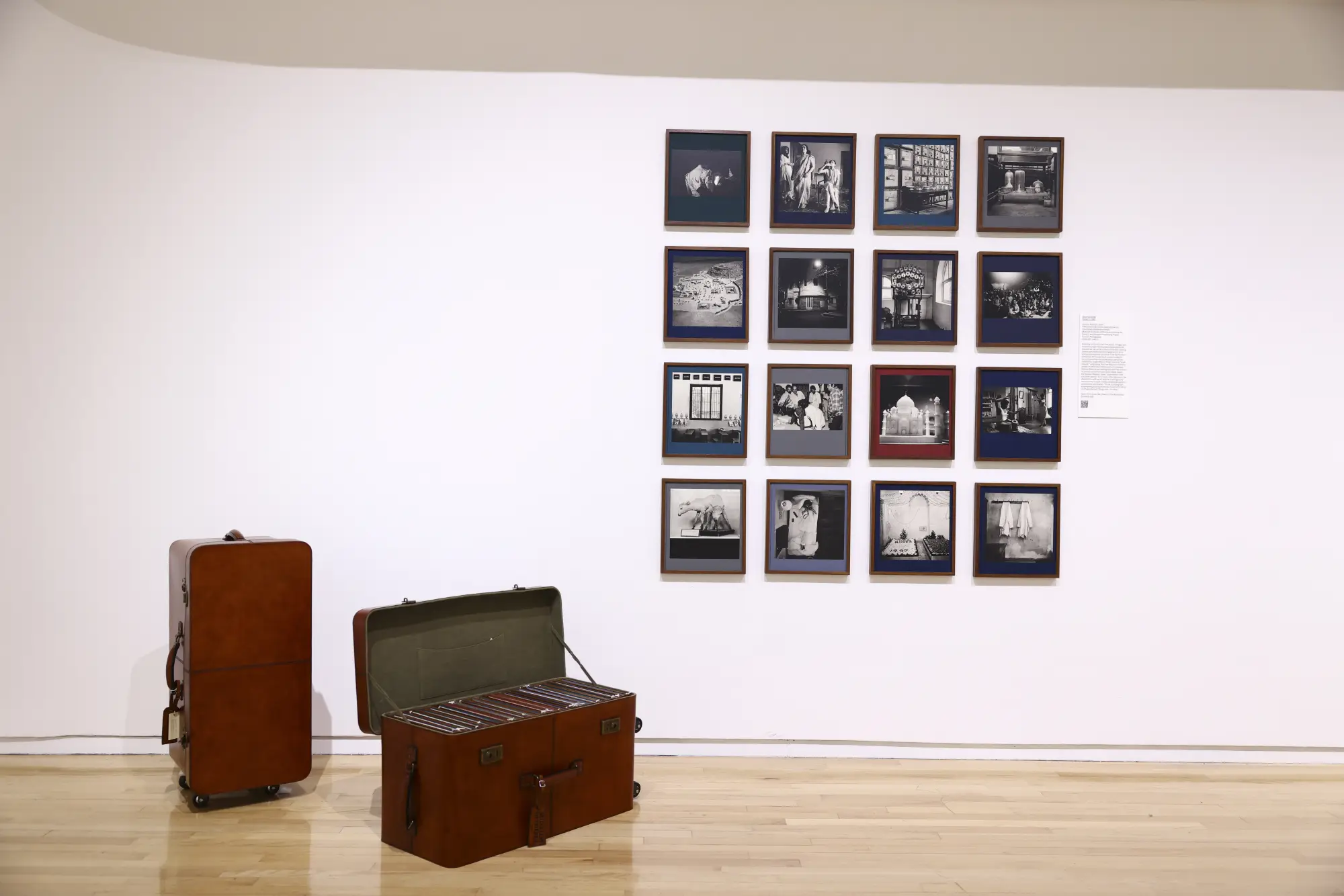
Go to show openings and closings.
Especially if you want to get to know the hyper-local arts scene (versus supporting big-ticket museum exhibitions), consider going to a gallery party. In most cases, you won’t even need a proper invite — though those are easy to come by once you’re on a venue’s mailing list. Save for rare exceptions, local gallery openings and closings are free events open to all walks of life.
Other than the summer months when many smaller venues take a break, most exhibition openings and closings happen on a bi-monthly or quarterly basis all over the city in galleries, restaurants and third spaces. They often happen on Friday and Saturday evenings and stretch for a few hours surrounding the dinner hour to accommodate a steady flow. Some neighborhoods, like River North, coordinate gallery parties to take place on the same evening so visitors can make a night of it. Grab a glass of cheap wine, load up a plate of crudite, and let the crowd of regulars show you the way to your new identity.
Seek out the city’s small museums.
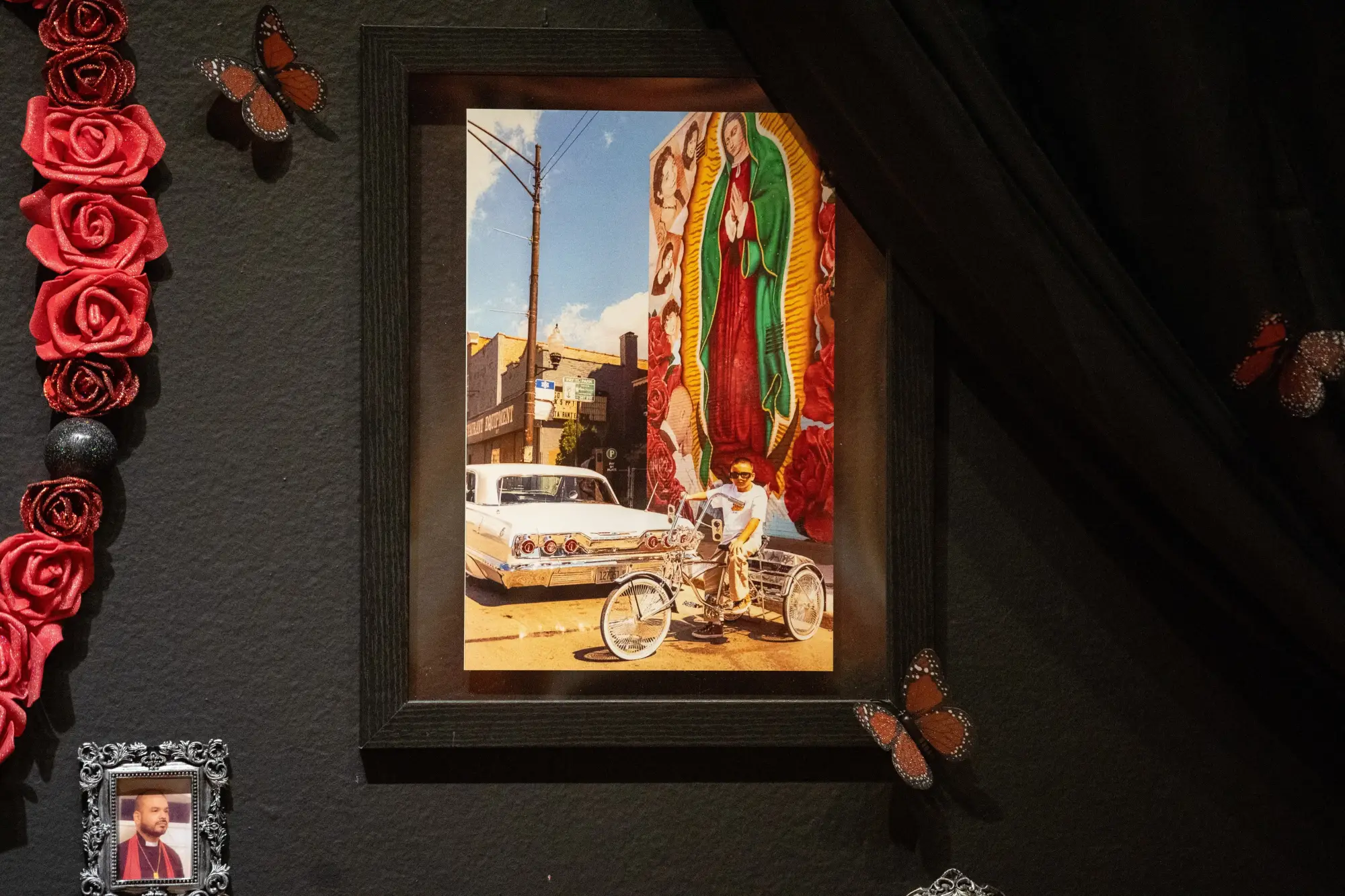
If your knowledge of arts venues in town is limited to the Art Institute of Chicago (111 S. Michigan Ave.) and the Museum of Contemporary Art (220 E. Chicago Ave.), it’s time to have a talk.
Chicago is home to scores of underrated museums and institutions that are often overlooked by the proletariat simply because they aren’t talked about as much among mainstream media. And, as you’ll learn, they’re some of the best places in town to work on becoming an art person.
Unlike the city’s biggest institutions whose early patrons positioned them near the lake, many of our smaller spots are tucked into neighborhoods further inland. For starters, head to Hyde Park to stop into the Smart Museum of Art (5550 S. Greenwood Ave.) at the University of Chicago. Its permanent collection is 17,000 objects strong and represents a drastic range of artists, from local contemporaries like Roger Brown and Lee Godie to an entire subcollection centered around the Chicago World’s Fair, which took place a few blocks away. A 10-minute drive south brings you to the Stony Island Arts Bank (6760 S. Stony Island Ave.), whose impressive pairing of hip-hop vinyl archives and a high-tea salon is reason enough to make the trip.
Check out the newly rebranded Intuit Art Museum (756 N. Milwaukee Ave.) in West Town for a primer on outsider artists from Chicago and beyond. While you’re Pilsen, take a detour to the National Museum of Mexican Art (1852 W. 19th St.). Next time you’re in Evanston, plan to visit the Block Museum (40 Arts Circle Drive, Evanston) on the Northwestern Campus. Or the Ukrainian Institute of Modern Art (2320 W. Chicago Ave.) in the Ukrainian Village. Or the Museum of Contemporary Photography (600 S. Michigan Ave.) on Columbia College’s campus. You get the idea.
Become a member of the ’Tute.
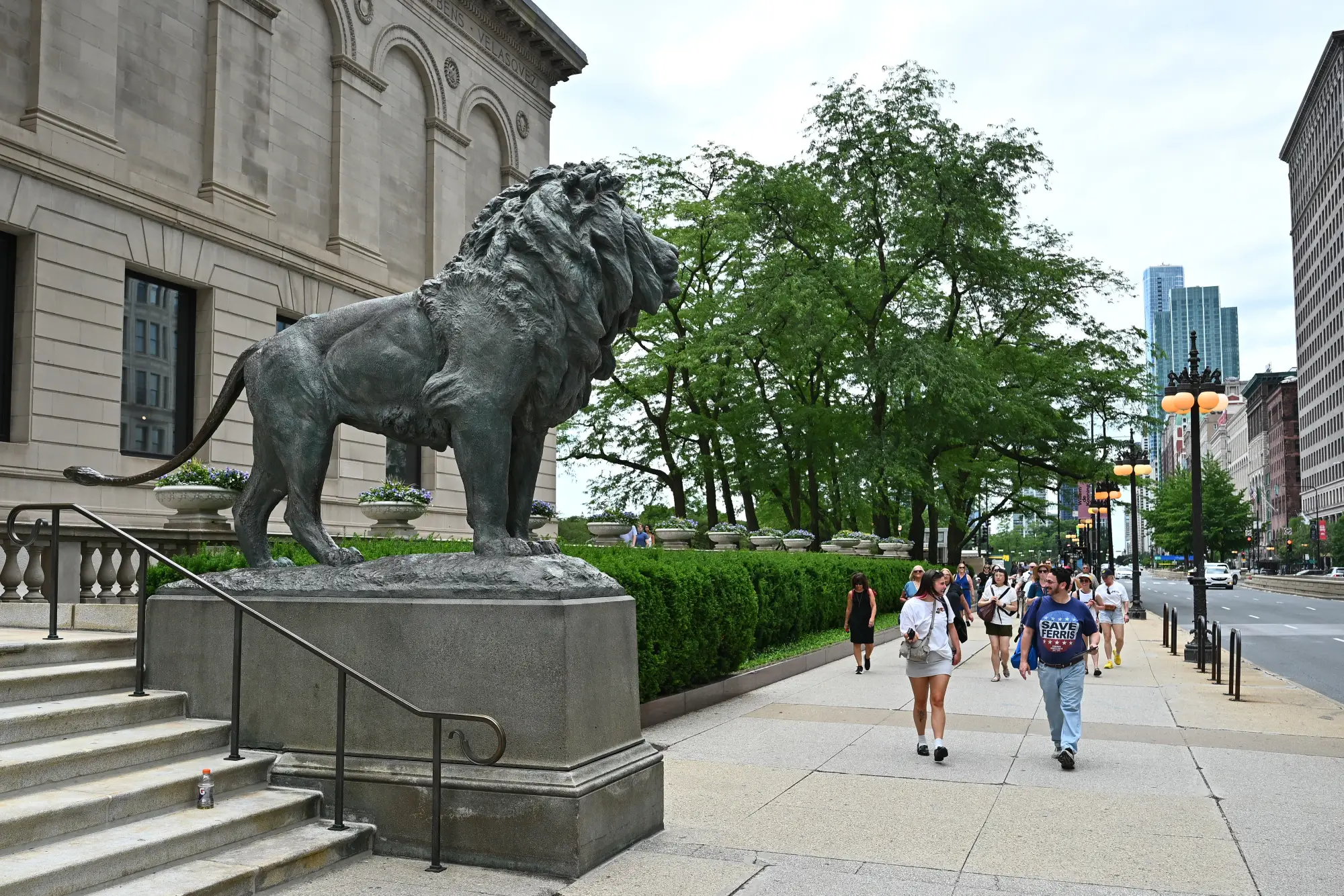
Yes, the Art Institute of Chicago (111 S. Michigan Ave.) is the most obvious, basic destination in Chicago’s arts and culture ecosystem. But if you’re set on becoming an art person, a membership is an excellent investment — primarily because you won’t feel obligated to stay there for hours and hours to get your $32 ticket’s worth. (Museum fatigue is real.) Imagine the freedom of popping in past the lions (and skipping the line!) over your lunch break for a peek at your favorite Georgia O’Keeffe, or tackling one wing at a time at your own pace, breezing about guilt-free.
Members get the Art Institute’s digital newsletter, too — a welcome reminder that there’s plenty more to do at the museum than visit the Impressionists. Sign yourself up for lectures, mark your calendar for seasonal exhibitions, and before you know it, you’ll be a regular at one of the greatest museums in the world. Memberships start at $75 for students and individuals, which pays for itself after three visits (two if you’re a student), and includes 10% off discounts at its cafes and shops.
Lauren Viera has covered Chicago’s arts and cultural scenes for more than 20 years. She is the author of the newly reissued “The 500 Hidden Secrets of Chicago” (Luster) and lives in Logan Square.